
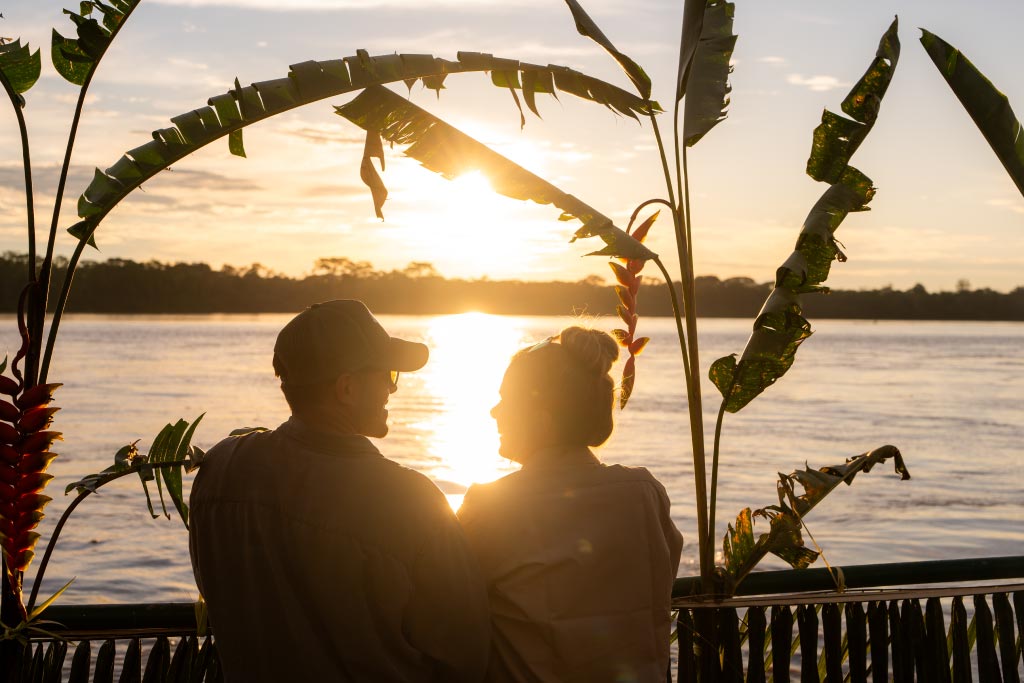
Deep within the Yasuní National Park a place where a single hectare contains more species of trees than all of North America, a quiet revolution is happening. It’s not led by international NGOs, but by the Kichwa Añangu Community. For years, the Amazon Rainforest has faced a crossroads: resource extraction or preservation. By choosing Napo Cultural Center, you aren’t just booking a room; you are voting for the survival of the lungs of the Earth through sustainable travel.
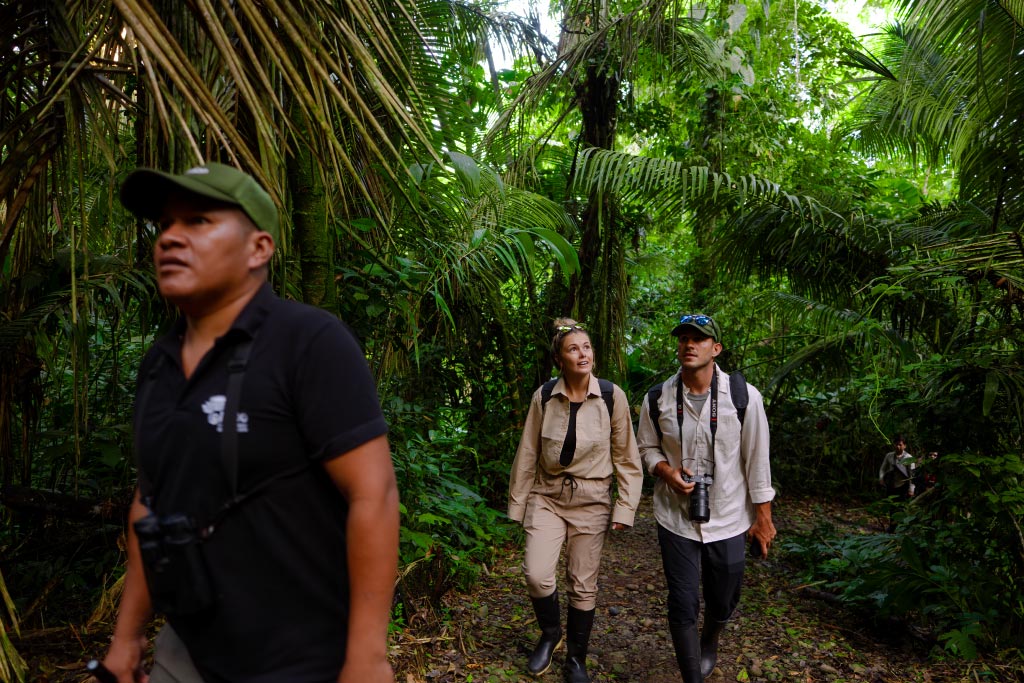
Education Without Borders: More Than Just Bilingualism
Our educational project is the cornerstone of the Kichwa Añangu’s future. It is not merely a local school; it is a trilingual hub where children master Kichwa (to preserve their roots), Spanish (to connect with the nation), and English (to lead the international tourism industry).
- Global Collaboration: We host international volunteers who bring fresh perspectives and intensive English training, preparing our youth to be the world-class guides and managers of tomorrow.
- A Regional Lighthouse: Our doors aren’t closed to our own. We provide education to children from neighboring communities along the Napo River, who travel long distances to access a level of schooling that was once unthinkable in this remote corner of the Yasuní.
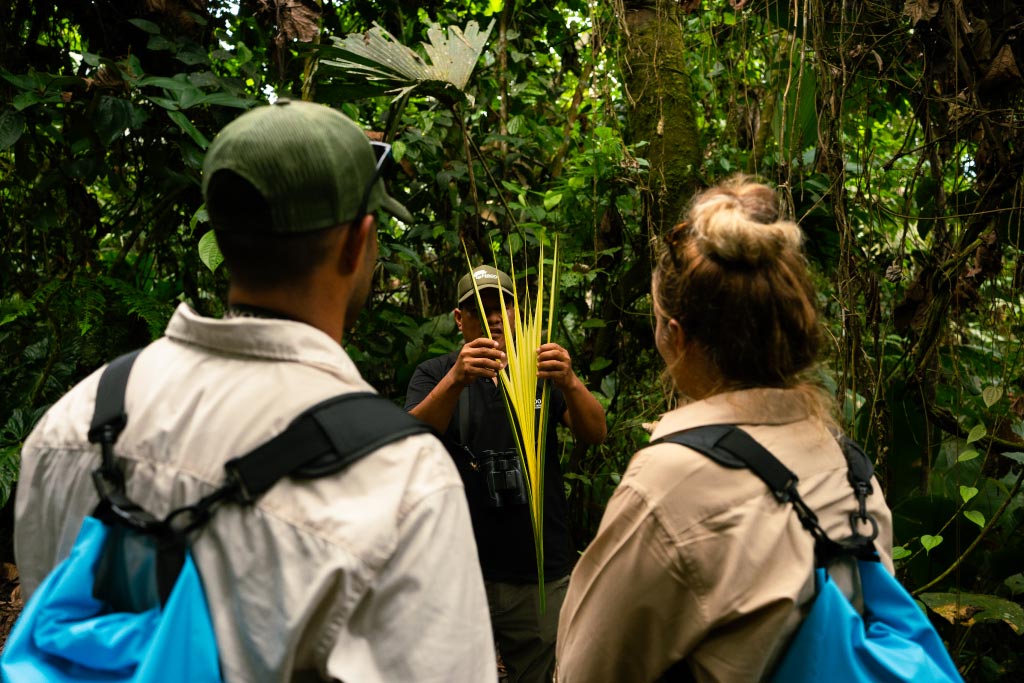
Self-Managed Healthcare: A Lifeline Built by Tourism
We don’t call it a “first-world hospital,” because the reality of the rainforest is challenging. We call it a triumph of community self-management. Napo Cultural Center uses tourism revenue to sustain its own healthcare space.
- Direct Impact: It is a functional, community-run medical post that provides essential care where previously there was none.
- The Power of Your Visit: Every guest contributes to the salaries of health personnel and the supply of medicines. It’s a living testament to what a community can achieve when they take control of their own destiny. It’s about having a doctor available when the nearest city is a three hours boat ride away.
From Hunters to Guardians: Protecting the Crown Jewels of the Yasuní
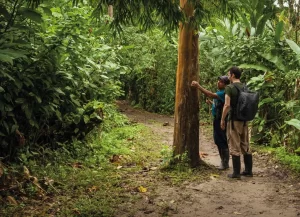
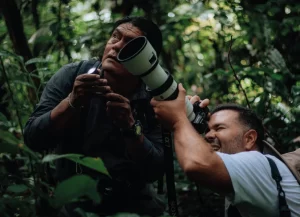
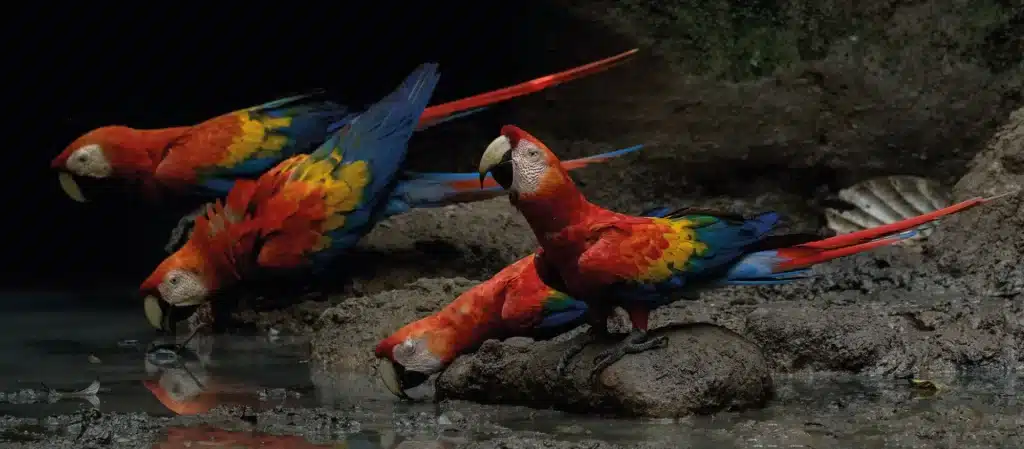
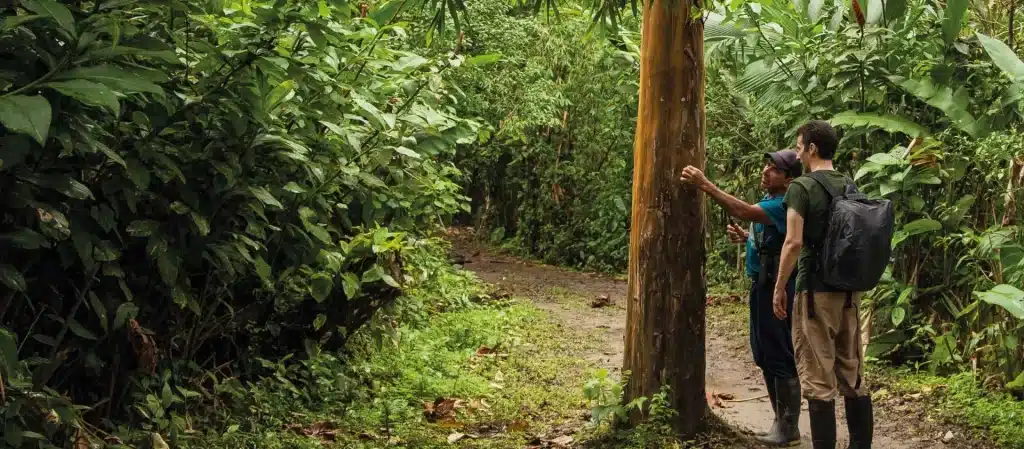
One of the most profound impacts of your visit is the transformation of the local economy. Families that once relied on subsistence hunting or logging have now become the fiercest protectors of the Amazon biodiversity.
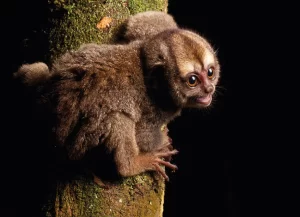
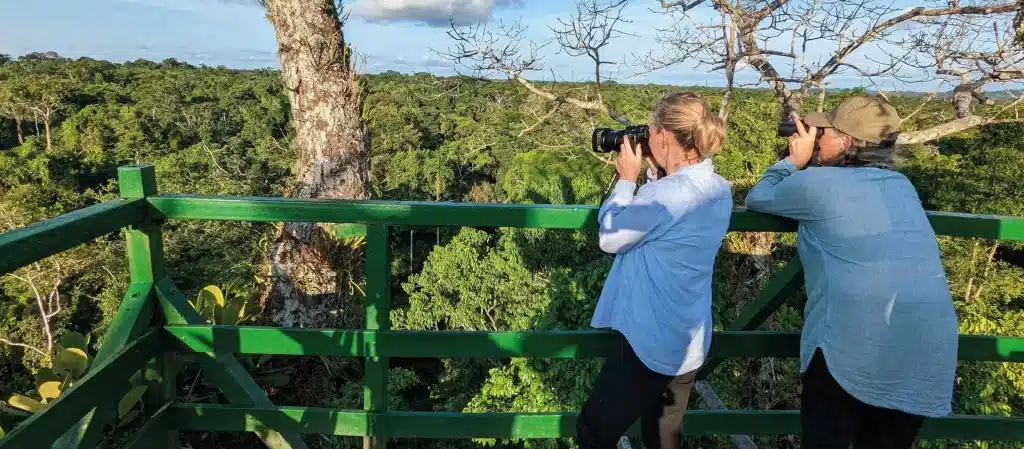
The results are visible in the canopy. Today, the Harpy Eagle (Harpia harpyja)—the most powerful bird of prey in the world—nests in our trees. Its presence is the ultimate certificate of a healthy rainforest, as it requires vast areas of undisturbed wilderness to survive.
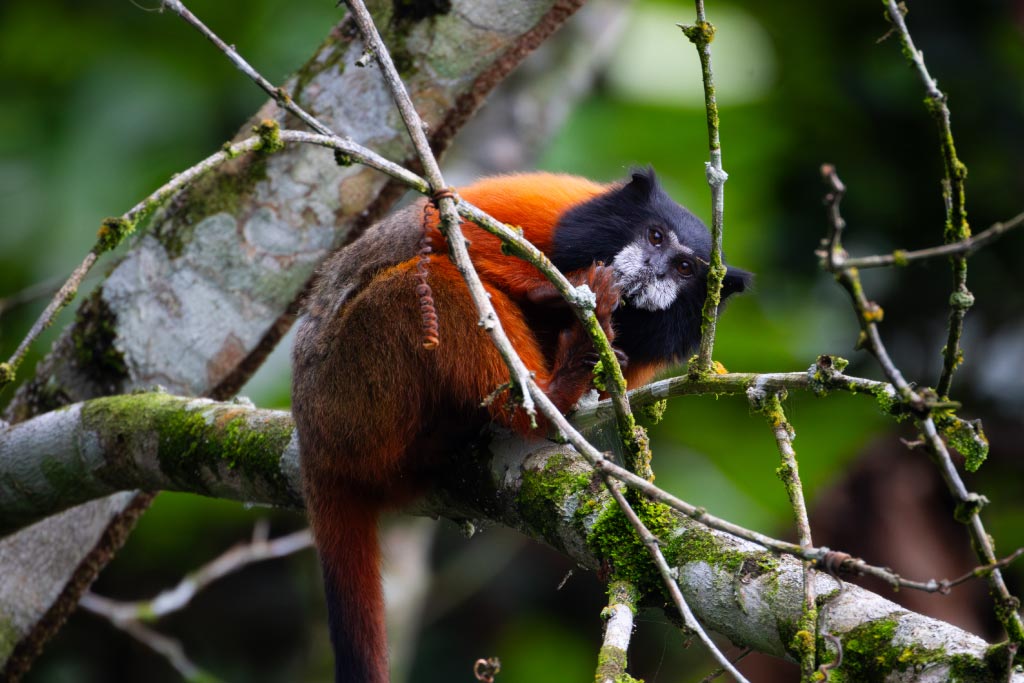
Furthermore, the Napo Cultural Center is one of the few places on Earth where you can spot the Golden-mantled Tamarin (Leontocebus tripartitus). This rare primate is endemic to this specific region of Ecuador. These species thrive because community-based tourism has provided a viable, long-term alternative to oil drilling and illegal hunting.
The Matriarchs of the Yasuní: Women at the Core of the Experience
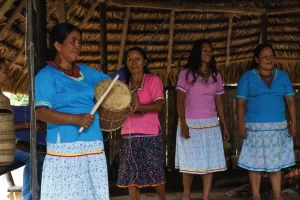
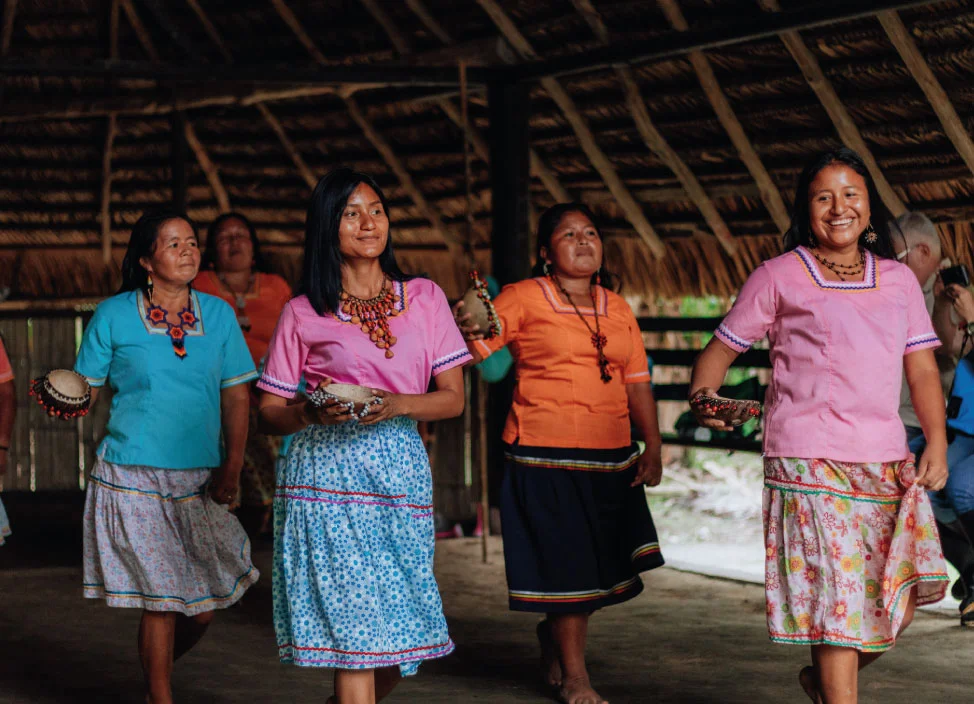
Sustainability is a hollow word without gender equity. At the heart of our community lies Kuri Muyu, an interpretation center that is the headquarters of Kichwa female leadership.
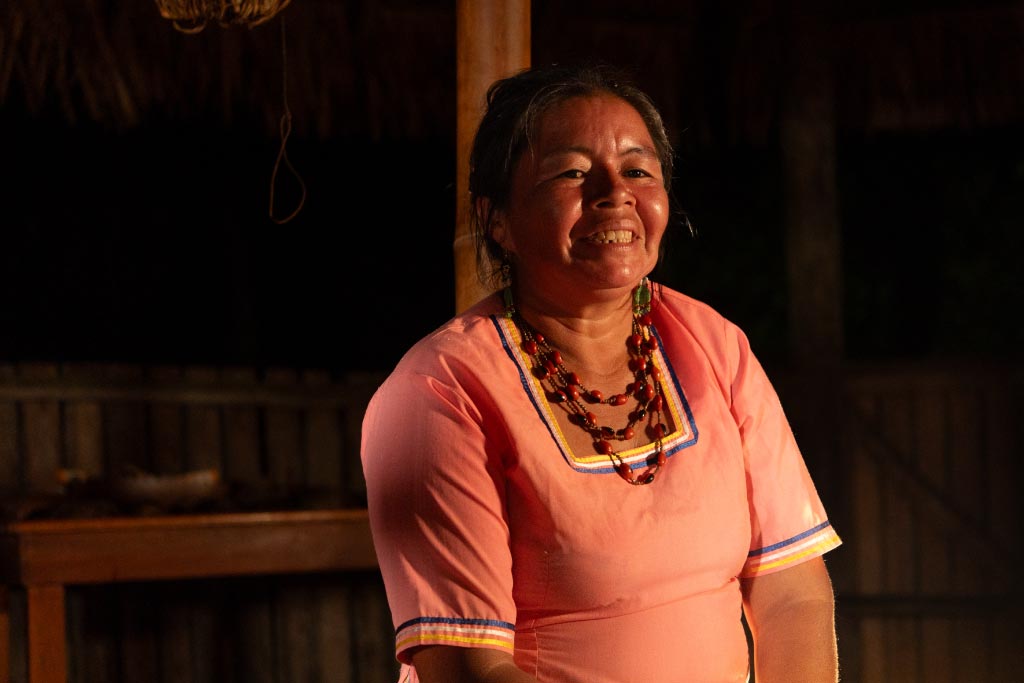
The women of the Añangu community are the primary guardians of our ancestral soul. By managing Kuri Muyu, they have transformed from silent observers into active entrepreneurs and storytellers.
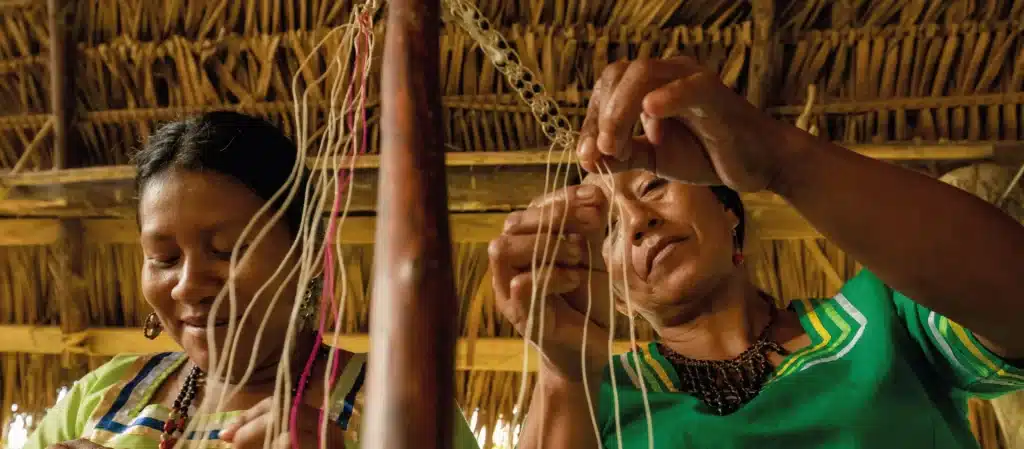
- The Keepers of Wisdom: They are the ones who pass down the secrets of medicinal plants and the intricate art of weaving with chambira fiber.
- Economic Empowerment: Every time you participate in a ceremony, you are directly empowering a Kichwa woman. This income provides financial independence and is reinvested into the health and nutrition of their families. In the Yasuní, the resistance against cultural erasure is female.
True luxury in 2026 is knowing that your footprint is a blessing, not a burden. The Napo Cultural Center is proof that humans and the rainforest can thrive together. Choosing responsible travel in Ecuador means becoming a partner in conservation.